Widening the Lens: Age-Inclusive Practices in Automated Hiring Processes
BY Mary Pieper
|
April 01, 2024

AARP’s research reveals that two in three adults aged 50+ in the labor force believe older workers face age discrimination in the workplace today.
And yet, due to changing demographics, workers aged 50+ will make up a growing share of the labor force in the coming decade, says Carly Roszkowski, VP of financial resilience at AARP. By 2034, people 60 and older will outnumber those younger than 18, says Roszkowski.
“As employers struggle to fill open jobs and hire talent they need to prosper and grow, they often neglect and even exclude a time-tested asset: older workers,” she said during a From Day One conference in Silicon Valley.
These employees have soft skills such as critical thinking, resilience, and flexibility that companies desire the most, says Roszkowski.
“Our research shows that older workers employ a growth mindset,” she said. “There’s a misconception that they don’t want to learn new skills or be trained, and that they’re just waiting to retire. But our research shows 54% are taking or have taken job-related skills training in the past few years.”
Ditching Stereotypes About Older Workers
Roszkowski urged conference attendees to examine their unconscious biases around age “and observe how myths are proven wrong in your teams and across your organization.”
“Choose curiosity over judgment and pay attention to casual ageism,” she said. “Would you make similar remarks about other aspects of identity?” Strategies Roszkowski recommends include creating age-diverse teams and intergenerational employee resource groups.
According to Roszkowski, companies must also address intergenerational conflict if it arises and make training and upskilling available to all workers, including mid- or late-career workers.
How Automation Can Help Recruit Applicants
According to Roszkowski, if used intentionally, automation allows companies to broaden the number of workers—including older ones—considered for open positions.
“Employers may find success by weighting different job requirements based on their importance rather than using default applicant tracking system filters to screen out those applicants who don’t meet all the preferred qualifications,” she said.
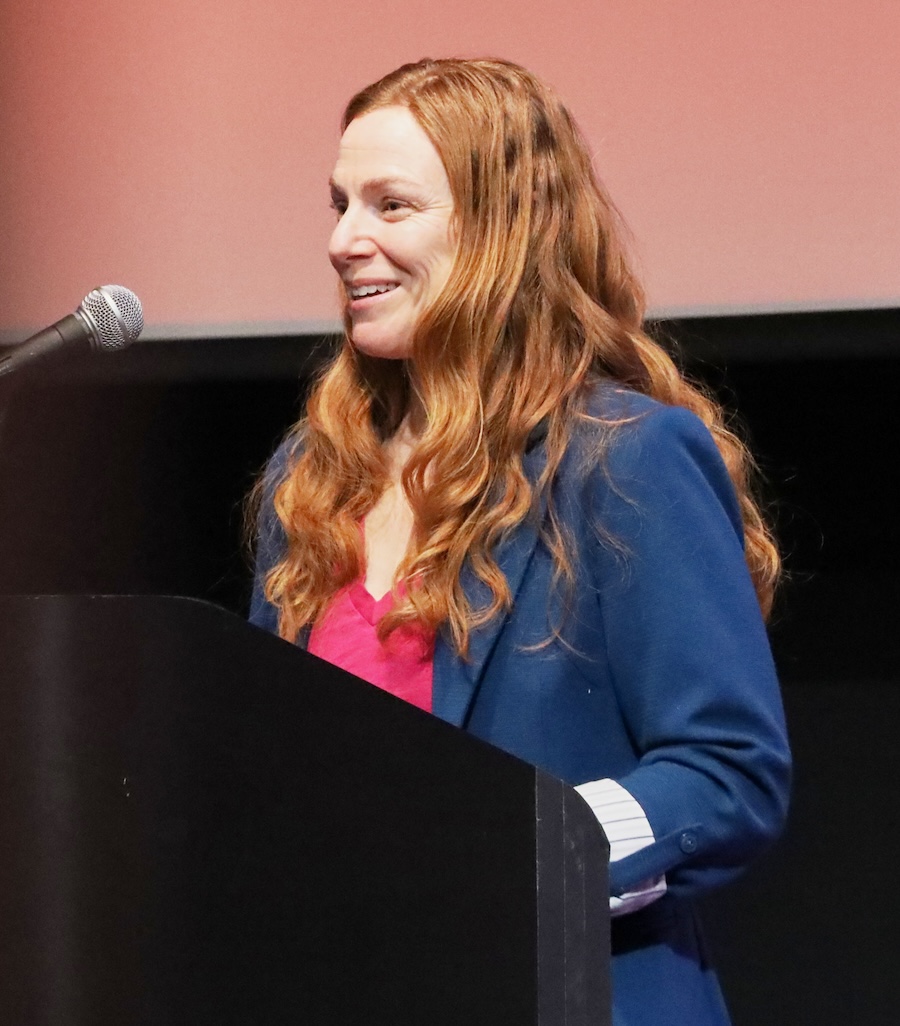
The first step companies should take is crafting a job description that reflects their needs while not driving away older candidates, according to Roszkowski. “Instead of relying on degree requirements, you might want to use skills or knowledge sets a worker needs for a role,” she said. “Instead of placing an upper limit on range of experience, like a maximum of 10 years, advertise the salary band to find the right candidates.”
AARP’s analysis shows an inverse relationship between age-based language in job postings and the employment of older workers in an organization, according to Roszkowski.
“Companies that have the lowest prevalence of age-based language in their postings have 51% greater representation of older workers in their workforce, whereas firms with relatively young workforces tend to have more age bias language in their job descriptions,” she said.
Therefore, employers should avoid using phrases such as “recent college grad” and “fresh ideas” in job descriptions, according to Roszkowski. She suggested using “entry level” and “creative thinker” instead.
Employers should also consider that good candidates might have work history gaps due to family responsibilities, such as caring for a loved one.
Look for Untapped Talent Pathways
Untapped talent pathways can help employers fill critical roles and improve their age diversity, says Roszkowski.
“Drawing applicants from occupations with a high share of older workers enables firms to capitalize on ongoing demographic trends,” she said.
For example, if a company has an open position, Roszkowski recommends promoting someone already working there as an office clerk or administrative assistant. She said many older workers are in those roles and could learn any additional skills they need through training.
“It’s a way to retain talent, keep them learning new skills, and have them satisfied and challenged in their job,” she said.
Editor’s note: From Day One thanks our partner AARP who sponsored this thought leadership spotlight.
Mary Pieper is a freelance writer based in Mason City, Iowa.


