How Winning Organizations Invest in Human Performance
BY Kristen Kwiatkowski
|
October 12, 2026

As AI tools are used more often and technology changes, HR leaders are tasked with navigating this change, which is more organizational than technological.
“What we want to help you answer today is how do you overcome the growing employee mistrust and anxiety that’s a result of all of that change,” said Jen Mosher, marketing manager at Active Release Techniques (ART). “And the answer is to build a strategy that focuses on blending both technology and culture, and one that really puts your people at the center.”
Mosher spoke during a thought leadership spotlight at From Day One’s Chicago conference, alongside Todd Prather, ART sales manager, and Stuart Yoss, an ART provider. Active Release Techniques (ART) is a U.S.-based soft tissue therapy system that offers noninvasive treatment for musculoskeletal and nerve disorders.
Culture change is becoming a priority as 65% of organizations say AI will require drastic changes to their workplace culture. Culture also plays a role in employee retention, burnout prevention, and productivity. So, how can organizations build a healthy culture? Start by looking at the workplace from the employee’s perspective.
“Employees don’t feel value based on the words of your mission statement, but rather they’re going to feel value based on the actions of your leaders and the investments that you make in them each and every day,” said Mosher.
Keep Consistency in Mind
Yoss is familiar with different organizational cultures. As a chiropractor and ART provider for professional sports teams, including the Chicago Bears, Blackhawks, and Bulls, he’s seen how different organizations operate. He also gets to speak with the players about all sorts of topics.
“One of the main things that I’ve asked the [players] is what makes a good coach. Because as a fan, we all wonder about it,” said Yoss.
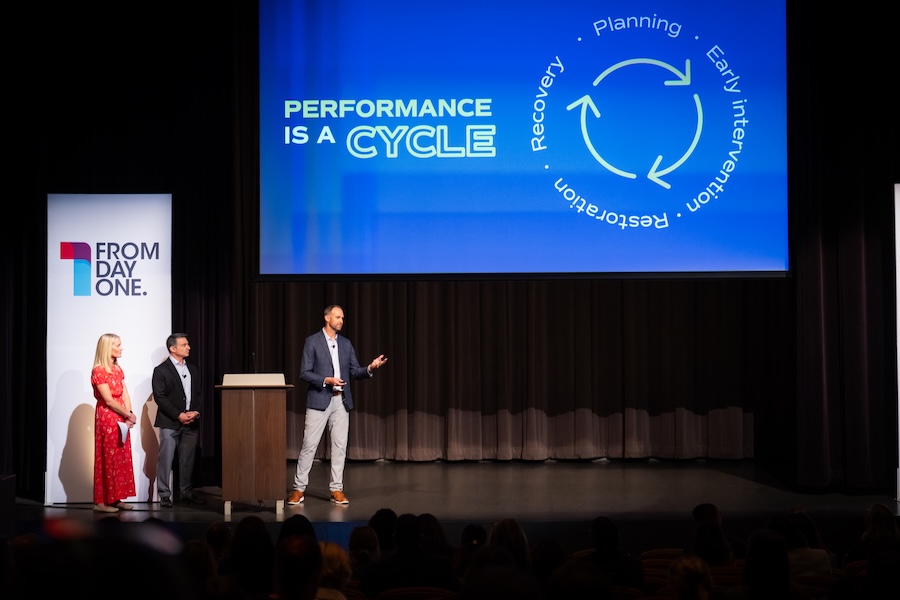
Yoss has recognized a pattern of importance around “accountability and consistency.” One thing that stands out is how consistently the organization treats its players as valuable assets, a lesson companies should apply to their own workers, says Yoss.
Yoss discussed consistency as it pertains to his application of active release technique and how consistency using one technique can help many people. Keeping consistency in the workforce, no matter what occupation, helps to boost productivity and cut losses, he says.
Focus on the Human Component
Prather discussed how professional athletes and corporate workers face similar workplace challenges and deserve the same level of care. He added that ART focuses on prevention, helping address issues before they escalate.
“In my world, a lot of people come to me when it’s too late. Humans do that, that’s what we do. We wait until you almost have to go see a specialist,” he said. “With ART, you can get treatment ahead of that to ultimately support your recovery.”
Prather says ART can address a wide range of workplace issues, and he was particularly impressed by its return on investment, which extends beyond preventing recordable workers’ compensation cases. “In 2026, we’re going to impact over a million lives,” he said.
“On one edge of the value spectrum, you’re saving money. And then on the other, [there is an] this human component—the engagement, the cultural benefit when somebody comes to me and says, ‘This program actually tells me you care.’” When companies invest in the human side of work, workers feel valued rather than replaceable. A strong culture builds trust within teams and fosters a deeper emotional connection.
“We wanted to focus on this idea of technology and culture, because we all know AI will continue to change the way we work, the way we do everything. But human needs won't change,” said Mosher. “And so, the organizations that continue to pay attention to their employees’ needs and invest in those employees are the ones that will win in the future.”
Editor’s note: From Day One thanks our partner, Active Release Techniques, for sponsoring this thought leadership spotlight.
Kristen Kwiatkowski is a professional freelance writer covering a wide array of industries, with a focus on food and beverage and business. Her work has been featured in the Bucks County Herald, Eater Philly, Edible Lehigh Valley, Cider Culture, and The Town Dish.
(Photos by Josh Larson for From Day One)