How Teams Lose Time and Money to Benefits Navigation, and How to Get It Back
BY Christopher O'Keeffe
|
July 14, 2026

Health benefits remain one of the most significant investments organizations make in their employees, but according to Ben Howard, co-founder of Sheer Health, offering comprehensive coverage is only part of the equation. During a thought leadership spotlight at From Day One’s Manhattan conference, Howard shared that many of the challenges employees experience stem not from the quality of their benefits, but from the complexity of understanding and using them.
Howard opened by asking attendees how many had encountered employees seeking help with confusing medical bills, prescription costs, or questions about insurance coverage. He suggested that these situations have become commonplace for HR teams, particularly as healthcare benefits have grown more complex. Rather than discussing benefit design or cost containment strategies, he focused on what happens after an employee receives an unexpected bill or encounters a confusing insurance decision.
Throughout the presentation, Howard described what he called the gap between coverage and care. Employees may have access to comprehensive health plans, but they often struggle to determine what services are covered, what they will owe out of pocket, whether a claim was processed correctly, or what steps to take after receiving a denial. As a result, questions that begin with insurance carriers or healthcare providers frequently find their way to HR departments. “A benefit stops feeling like a benefit, and the confusion has to go somewhere,” he said.
From Reactive Assistance to Proactive Navigation
Howard illustrated this challenge through several common scenarios. During open enrollment, employees may select plans without fully understanding deductibles, provider networks, or long-term costs. During major medical events such as cancer treatment, fertility care, or the management of chronic conditions, patients often face multiple insurers, providers, approvals, and billing systems simultaneously. Even routine prescriptions can generate unexpected expenses when employees are unaware of preferred medications or pharmacy programs available through their health plans.
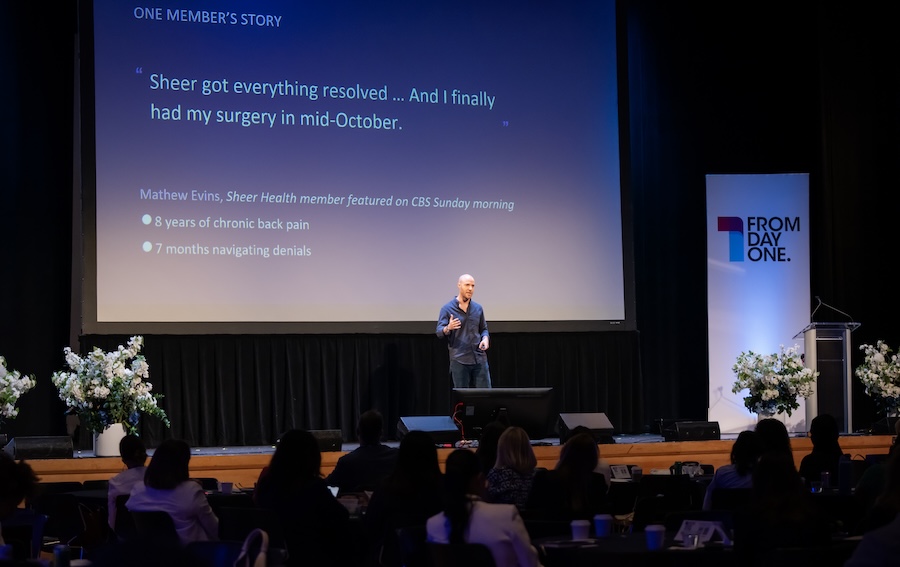
The problem is rarely inadequate benefits, says Howard. More often, employees lack the information they need to navigate the healthcare system, especially when making decisions under stress. Healthcare has become a navigation problem as much as an access problem, he says, with benefits creating value only when employees know how to use them. That makes proactive benefits navigation, rather than reactive support, increasingly essential.
Traditional benefits assistance often begins only after an employee identifies a problem. A claim has been denied, a medical bill appears incorrect, or an explanation of benefits raises new questions. Employees then begin contacting insurance companies, providers, or HR departments in an effort to understand what happened.
Howard described an alternative approach in which claims and benefits information are reviewed as they are processed, allowing potential issues to be identified before employees spend significant time trying to resolve them independently. Rather than waiting for employees to report problems, the goal is to identify billing discrepancies, explain insurance decisions in plain language, and assist with appeals before confusion escalates.
Measuring Time Alongside Cost
While much discussion surrounding employee healthcare focuses on financial costs, Howard encouraged attendees to consider the amount of time consumed by navigating the healthcare system.
He reported that since 2023, Sheer Health has helped members recover nearly $20 million through reimbursements and savings, resolved more than 75,000 insurance-related questions, and saved members more than 25,000 hours that otherwise would have been spent dealing with claims, paperwork, and insurance companies. These hours represent time returned both to employees and to HR teams that would otherwise become involved in resolving benefits questions, he says.
Closing the session, Howard returned to the theme that framed the presentation from the outset. “The hardest part of healthcare was never really the paperwork,” he said. “It’s the confusion that paperwork creates.”
Editor’s note: From Day One thanks our partner, Sheer Health, for sponsoring this thought leadership spotlight.
Chris O’Keeffe is a freelance writer with experience across industries. As the founder and creative director of OK Creative: The Language Agency, he has led strategy and storytelling for organizations like MIT, Amazon, and Cirque du Soleil, bringing their stories to life through established and emerging media.
(Photos by Josh Larson for From Day One)