Brands That Endure: Authenticity in Action
BY Emily McCrary-Ruiz-Esparza
|
August 04, 2026

Companies once made public commitments to ethics and responsibility, but it became “acceptable, and maybe even a little trendy, for brands to quietly neglect those commitments,” said Sandra Moerch, global head of content and customer marketing Autodesk, which makes industrial design software. “That behavior just won’t cut it anymore. Authenticity is making a comeback because people are craving honest and pure and authentic transactions again.”
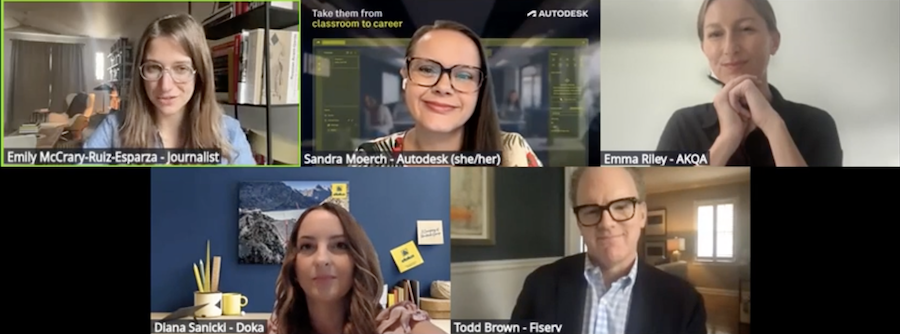
During a panel discussion on brands’ enduring authenticity at From Day One’s July virtual conference on brand strategy, Moerch and a panel of additional marketing leaders spoke about the risks and rewards of brand realness.
Marketers have to reach outside their own department to achieve authenticity in their messages. “Some of our best ideas really come from our sales teams, our engineers, our product management field teams, and most importantly, our customers,” said Diana Sanicki, head of North American marketing at construction technology company Doka. “We regularly talk with them and visit job sites, and those conversations help us create marketing that’s relevant instead of promotional.”
Even the most global and wide-reaching brands need some level of localization to achieve authenticity, said Emma Riley, director of marketing and growth for the Americas Global at creative firm AKQA. “Backstory,” the Levi’s commercial that debuted during the 2026 Superbowl, features shots of the brand’s iconic back pockets and red tab on musicians, dancers, rock climbers, and even cartoons, with cameos from Grammy-winning rapper and singer Doechii and Woody from Toy Story, and a nod to the iconic cover of Bruce Springsteen’s Born in the U.S.A.. Riley said that these “influencers speak to who it is that we needed to talk to, but they are true. They are who they are. They really use the product.” Even Woody.
‘Customers Don’t Buy the Story You Tell About Yourself’
Customers aren’t looking for a sales pitch. They want an experience, like Levi’s can offer, or, as is more common in the B2B world, they want a solution.
Yet customers aren’t always aware of the problems they have, said Todd Brown, VP of marketing for the financial institutions group at Fiserv, “not until they read a piece of thought leadership or they hear from someone on the team about a new solution.”
Fiserv, which makes the technology underlying much of the financial services industry, expands mostly by selling into its existing customer base, so Brown must deliver a constant drip of education and customer testimonials. When a client has a particular need, they know Fiserv can meet it. “The best advocates for us are our clients who are telling the stories about the impact our partnership has not only on their business, but also on the communities they serve,” he said.
Authenticity requires giving up some amount of control over the message and presentation of your brand—attaching your logo to a celebrity or handing the mic to a customer carries inherent risk. But any authentic relationship requires vulnerability.
Believability begins with deferring to the customer point of view, which means letting the buyers say it for themselves. “Customers don’t buy the story you tell about yourself. They believe the story your customers and employees tell about you,” Sanicki said. “Years ago, companies owned the message, and today the customers own the conversation.”
Emily McCrary-Ruiz-Esparza is an independent journalist and From Day One contributing editor who writes about business and the world of work. Her work has appeared in the Economist, the BBC, The Washington Post, Inc., and Business Insider, among others. She is the recipient of a Virginia Press Association award for business and financial journalism. She is the host of How to Be Anything, the podcast about people with unusual jobs.
(Photo by julief514/iStock)