Solving Marketing's New Challenge: How Does My Brand Show Up on AI Platforms?
BY Grace Turney
|
October 21, 2026

“About half the people who get a script don’t actually ever go to PT,” said Brett Groom, chief marketing officer at PT Solutions. Patients need a prescription for insurance to cover physical therapy, and many never use it. For Groom, those missing patients mark the spot where AI search could matter most.
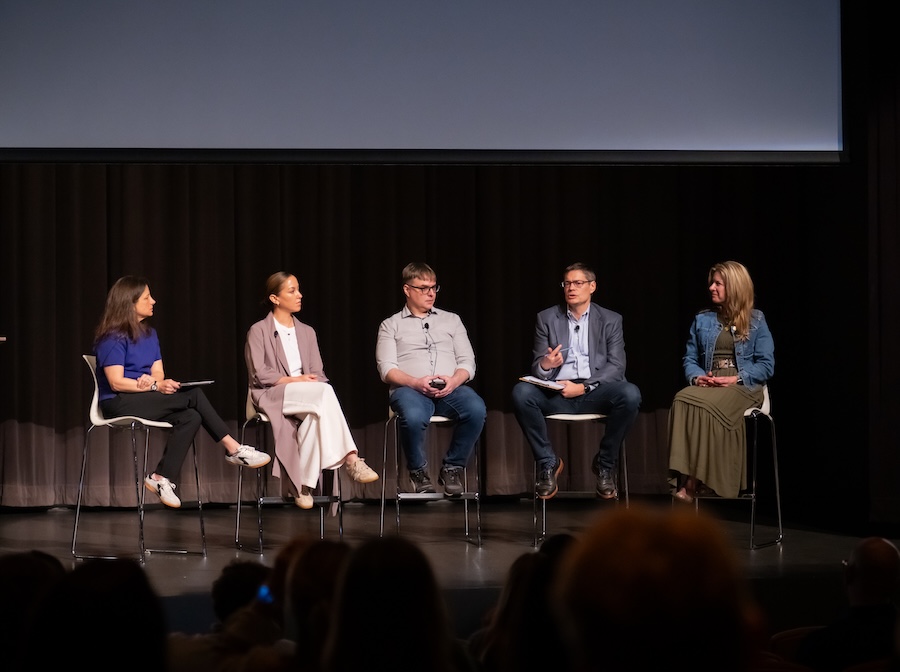
That gap framed a discussion at From Day One’s Chicago marketing conference. Four marketing leaders explored how answer engine optimization and generative engine optimization are changing the playbook built for traditional search, and which parts of the old playbook still work, in the session moderated by Jessica Wohl, managing editor at Ad Age.
Old Rules, New Search
Much of that playbook survives, said Matthew Dewoskin, VP of SEO and website marketing at Rate. “Honestly, a lot still applies,” he said. AI tools scrape websites to answer questions in seconds, so page speed and topic relevance still count. “If you’re in a good place with traditional organic search, you should be in a good place to start for generative search, AI search as well.”
No marketer controls where a brand appears, he says, in AI-generated answers or traditional search results. Rate built visibility in home equity lending by creating a central hub of content on home equity lines of credit, then repurposing it as video and infographics across as many touchpoints as possible.
Earning Citations From AI
Hope Trumbull, VP of brand partnerships at Social Native, boiled down what makes a brand citable. “AI is going to cite what it can find, what it can trust, and what it can share,” she said. Brands should make sure content isn’t hidden behind a login or JavaScript, and should answer the detailed questions buyers now type into AI tools.
Trust, she added, comes mostly from outside sources. “AI is going to source and trust third party more than anything that we are going to do from a self-promotion perspective on your website.” Reviews on Yelp, social media posts, and Reddit threads all count.
To keep brand voice intact as teams use AI to produce more content, Trumbull recommended a brand playbook that every AI tool must check its output against. Julia Goebel, chief marketing officer at Alight Solutions, says a trained tool can produce a solid first draft, but people must stay involved. “We really take care to make sure that what we write or publish sounds like an Alight advisor, because when you are off brand, it’s easy to lose trust.”
Reviews Shape the Brand
Reviews matter most to Groom’s business. “Getting reviews is absolutely critical,” he said. Patients in active search mode read them, and they help Google rankings. PT Solutions, which runs about 550 clinics, recently expanded its Yelp presence because ChatGPT now draws on that site’s reviews, Dewoskin noted.
Trumbull said marketers can’t control user-generated content but can influence it by briefing brand ambassadors and executives. Persistent complaints point to deeper problems, though. “That is not just something you can sprinkle frosting on and call it a day as a marketer,” she said. Pricing, service, or operations may need fixing first.
Replies matter, too. Groom’s team uses a reputation management platform to answer comments, and healthcare privacy rules push treatment conversations offline. Goebel said a public response still matters. “If you don’t reply, it looks like you’re not paying attention.”
Cautious Spending on New Channels
None of the panelists has gone all in on advertising in ChatGPT. Goebel says Alight isn’t advertising there yet, but she called herself a fan of pilots. “I never rule out any channel,” she said. Dewoskin plans to add it to Rate’s paid search mix. Groom sees weak tracking as the obstacle: AI firms “want to sell me impressions, not a performance base,” he said, and “if I had an incremental dollar, Bing would probably work better for me.”
Dewoskin’s dollars currently go to affiliate partnerships, such as placement in rate tables on sites like NerdWallet and Bankrate. Goebel keeps funding public relations, bylined articles and executive interviews, because third-party credibility still carries weight.
Measuring Impact, Not Activity
Goebel says she isn’t yet seeing a return from AI, and doesn’t worry about it. “The search volume that comes from AI is low. It remains single digits.”
Dewoskin says most sites have lost organic traffic over the past year and a half, which forced discussions with his leadership team. He has had to rethink visibility, once a vanity metric to him, as a performance measure. Still, he says, leadership responds to business results, not rankings: pre-qualified borrowers, home equity loans, homes bought. “It matters how much you’re bringing into the business,” he said. “It doesn’t really matter how you’re ranking or how you’re positioned.”
Groom’s team works from a mantra: “impact, not activity.” As a private equity-owned company, PT Solutions faces tough questions about what each dollar returns.
Trumbull advised against tearing up current budgets. “Don’t blow everything up just because we’re now seeing this change," she said. Marketers should set a baseline, compare against it each month or quarter and move money as results shift. Goebel urged teams to reserve funds for experiments. “I actually think you need a bucket for testing,” she said, and to tell finance up front how results will be reported.
Looking Ahead
Trumbull assigns one exercise: list the 25 questions buyers ask most, in search and in AI tools, then check how the brand and its competitors answer them. Timestamp the results so leadership can see progress six months later.
Dewoskin expects Rate’s website to shift from a splashy homepage to an AI agent that greets visitors and answers questions, like a request for today’s mortgage rates. A library of content must remain, he says, to train the agent and keep the site relevant in search.
Groom is focused on winning local searches. PT Solutions operates in 25 states, he said, but it really competes in about 20 markets, and patients typically travel only five to seven miles for therapy. “We don’t really care about a national presence,” he said. “I only care in the 20 markets I compete in.”
Goebel offered a final caution about contracts. “We are deliberately not signing three-year contracts because we know how quickly AI is changing,” she said. Short commitments, she added, avoid sunk costs in technology that may look very different in three years.
Half of Groom’s prescription holders never make it to a clinic, and AI search may be how marketers finally reach them. The panel’s advice for the search: keep what works, test what’s new, and keep every commitment short.
Grace Turney is a St. Louis-based writer, editor, artist, and former journalist and librarian. She holds a Master of Library & Information Science (MLIS) and has nearly a decade of experience writing both full time and as a freelancer. See more of her work at graceturney17.wixsite.com/mysite.
(Photos by Josh Larson for From Day One)