Creating Personalized Pathways for Growth and Development
BY Jennifer Yoshikoshi
|
January 06, 2026

The traditional career ladder is giving way to something far less linear. Younger workers increasingly expect growth to look like a mix of learning, mentorship, and well-being rather than a step-by-step climb. Recent research shows that nearly nine in 10 Gen Zers and Millennials prioritize on-the-job learning and practical experience as central to their professional development.
“This idea of a career ladder is sort of dead, and I like to think of it now as a climbing wall,” said Teresa Hopke, CEO of Talking Talent, Americas. Hopke spoke on an executive panel discussion at From Day One’s LA conference. Executives discussed how employee growth and development are changing as organizations move toward more inclusive, personalized career paths.
Climbing the Career Wall, Not Ladder
Shelley Colón, SVP of people and culture at SiriusXM, added that human resource departments have historically created linear paths for employees to climb up the company hierarchy, but now it “doesn’t totally resonate for the path of a lot of people.”
SiriusXM has launched a storytelling series that highlights the careers of people within the company that were able to move across verticals and utilize their skills from one department and transfer it to another, she says.
Lisa Richards, senior regional VP at LHH, emphasized that companies also have to understand what growth means for their employees. At LHH, new hires are provided with a form that asks them about their motivations. This opens up an opportunity to have a dialogue about what employees are looking to get out of joining the company, Richards says.
“I think it is so critical for us to retain good staff. We don’t want to lose them,” said Richards. “So just having those conversations and getting to know your people from the top down and having that shared narrative is really key and important.”
The Wonderful Company emphasizes promotion from within and a culture that supports internal career growth, says Kimberley Fernandes, VP and head of learning and organizational development.
There's a cost to staff turnover and in order to retain staff, it's important to build a strategy to address the diverse needs of all employees and create opportunities that recognize individual skills in both technical and functional fields, says Fernandes.
The awareness that individuals carry about their own motivations and how it changes over time can also be beneficial for the employee and the company, says Portia Green, VP of talent and organization development at NBCUniversal. Strong companies will continue to have conversations about what drives employees while they develop their own understanding of what their company’s culture is and whether their motivations align.
Changing Workplace Cultures
“Your organization has work to do. Leaders have work to do. But individuals themselves have a fair amount of work to do to understand themselves and the landscape that they operate in,” Green said.
Organizations across the world are changing as younger generations enter more junior positions, creating a cultural divide in a multi-generational workforce. Companies now have to face societal challenges which are causing a shift in company cultures that for decades have resulted in Boomers and Generation X employees moving up as leaders, says Fernandes.
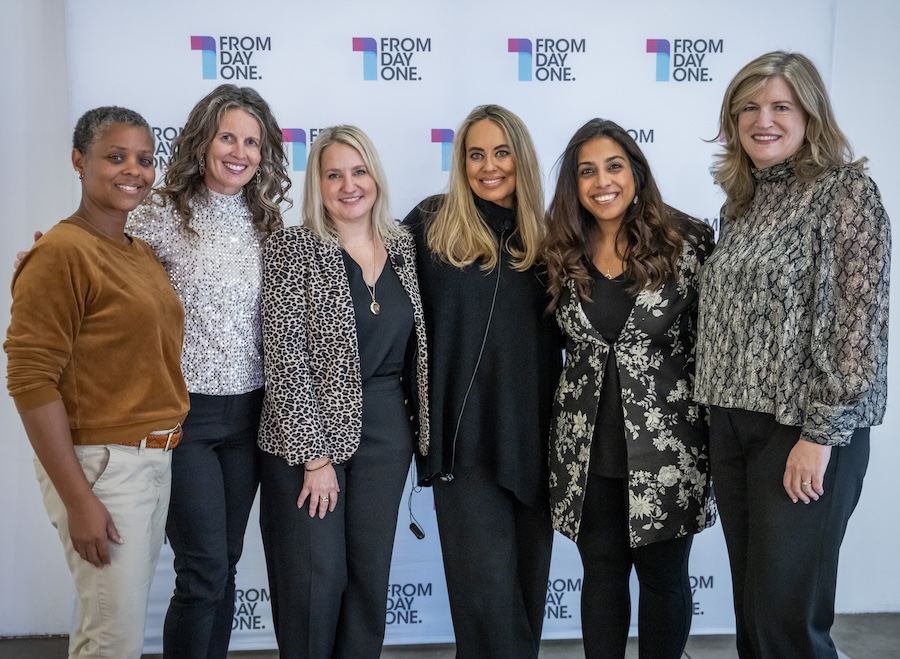
With Gen Z’s position in the workforce, companies are seeing a clash between differing mindsets and beliefs between the older and younger generations.
“I see our role of how we build our leaders with the skills to have that inclusive mindset but also, build maturity and resilience in our younger employees,” said Fernandes.
Hopke highlighted that teaching leaders about relational capabilities can drive the change that is necessary and inevitable in company culture. Many managers need to be able to develop human connections and often don’t ask their team what they need and carry simple conversations that foster stronger relationships. “Investing in these conversations is probably the key thing that will help us change our cultures around these different career paths and the way people are going to learn,” said Hopke.
In light of the pandemic and the rise in remote work, Hopke says that through her prior experience as a flexibility consultant, she found that “flexibility isn’t the problem. Flexibility just shines a light on poor leadership.”
“It comes back to teaching leaders how to have the right skills to hold people accountable, to set expectations, to have conversations, whether through a screen or face to face,” Hopke said. “People are craving connection, but you can plan connections, and you can figure out how to help people feel connected through relational skills.”
Jennifer Yoshikoshi is a local news and education reporter based in the San Francisco Bay Area.
(Photos by Josh Larson for From Day One)


