Aligning Scale and Flexibility in Global Benefits
BY Ade Akin
|
July 08, 2026

Akamai shuts down five times a year. Not the internet infrastructure that serves as one of the backbones of global connectivity—the company itself.
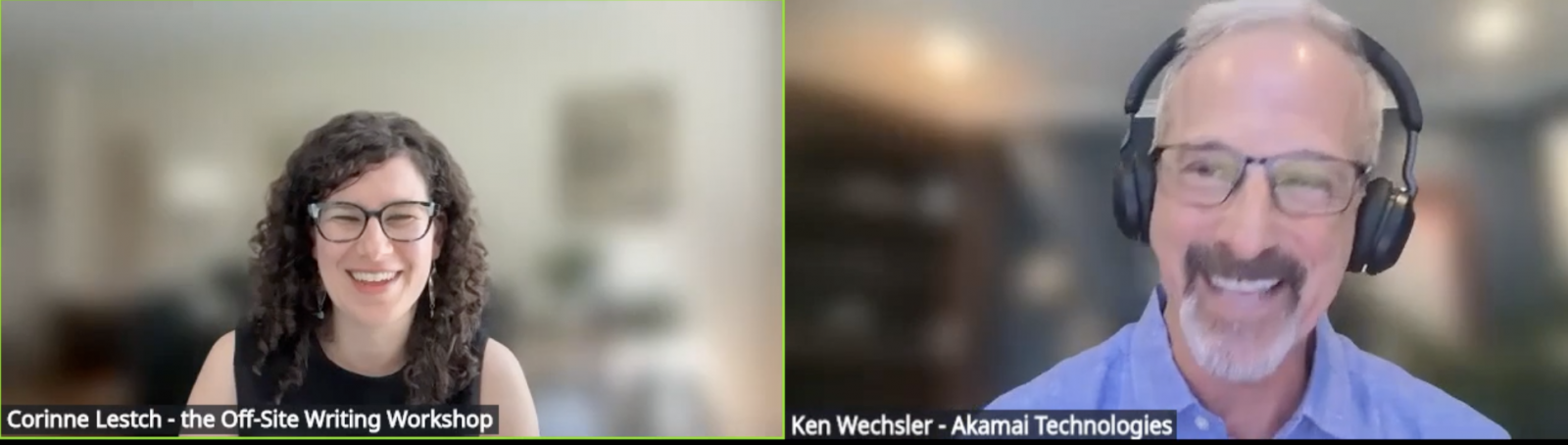
The company’s culture embraces occasional shutdowns that give employees three day weekends to rest and recharge, says Ken Wechsler, VP of global total rewards. He spoke during a fireside chat at From Day One’s June virtual conference, moderated by Corinne Lestch, journalist and founder of the Off-Site Writing Workshop.
Akamai also offers five dedicated wellness days each year, deliberately scheduled around U.S. holidays such as Memorial Day and Labor Day, says Wechsler. Akamai’s commitment to mental health and recharging is part of a deliberate, global philosophy that balances scale with flexibility.
Meeting People Where They Live and Work
The company employs 12,000 people across 35 countries, spanning regions as varied as India, Poland, and Costa Rica. Designing global benefits that resonate across that many cultures and the life stages of each employee is no small job. “We recognize that employees’ needs, legal requirements, and cultural expectations vary across all the regions,” Wechsler said.
The company relies heavily on employee feedback, demographics, and utilization data to determine which benefits to retain and which to discontinue. For example, the wellness allowance Akamai offers is available to all employees regardless of the region they work in, but the dollar amount varies. “We try to say, ‘What is the market average around there, and how can we meet people there at that same level?’”
That sensitivity to local norms extends to benefits like family planning. For example, employees in India, where multigenerational households are common, increasingly want to include their parents on medical plans. However, those parents make up about 62% of the company’s healthcare costs in India. Akamai is now exploring cost-sharing adjustments to keep the benefit sustainable while remaining competitive. “Our benefit programs help us recruit and retain our employees,” he said.
Remote Work as a Strategic Advantage
Akamai has doubled down on providing flexible work options at a time many CEOs are ordering workers back to their desks. Akamai’s employees can work remotely 100% of the time if they choose. “It allows us to differentiate ourselves,” he said. The numbers support Wechsler’s assessment. Attrition rates in the tech industry typically hover around 10 to 14%, but Akamai’s attrition rate is about half of that. Recruiters lead with policy, and tenure is longer.
Wechsler recognizes that remote work doesn’t work for everyone, though. “We may not be the right place for the right young people who actually really need to be in an office,” he said. His own son works at a financial firm and loves the commute and water‑cooler chats. For Akamai’s more mature workforce, though, the ability to integrate work with family is invaluable. “We always talk about work‑life balance; we really think it's work‑life integration,” he said.
Holistic Total Rewards
Akamai’s total rewards philosophy doesn’t stop at employee salaries. The company recently introduced a financial fitness center through LearnLux that offers sessions on budgeting, housing costs, retirement planning, stock administration, 401(k) education, and tax planning twice monthly. “We’ve received incredibly high satisfaction from that,” Wechsler said.
It has also made family benefits a cornerstone of its global offering. With Carrot, employees have access to fertility treatments, surrogacy, adoption support, and even menopause or low‑T care. The program is inclusive across life stages for anyone building a family in whatever form that takes. Akamai has an aging workforce, so the company ensures that older employees, including those who are eligible for Medicare, can stay on its health plan if they choose to return from retirement, he says.
Akamai’s most distinctive innovation is its network of mental health first aiders, says Wechsler. These are 100 trained employees who aren’t professional counselors, but serve as compassionate first-line listeners. The program was launched five years ago and has since expanded to every region of the company. “It’s no longer taboo, but people didn’t know where to get help,” Wechsler said. The first aiders can have that initial conversation and point colleagues to professional resources.
Trust in the mental health first aiders has grown organically. Staff members gladly showcase their first aider badges in their email signatures, while word of mouth keeps the program prominent. “We have ongoing seminars a couple times a year just to let people know it exists,” Wechsler said.
Additionally, while many employers are scaling back coverage for GLP‑1 drugs, Akamai refuses to budge. “We’re not reducing anything,” Wechsler said. The company covers the drugs for both medically necessary and lifestyle purposes. Akamai’s healthcare costs haven’t spiked as badly as some of its competitors. Wechsler partly credits the company’s wellness culture, which includes gym memberships, wellness days, and a holistic approach to health care, for keeping costs down.
Advice for Benefits Leaders
Moderator Corinne Lestch asked Wechsler for his top advice as the fireside chat came to a close. “Know who you are, focus on your demographics, listen to your employees, try to figure out how to meet people where they are,” he said. He warned against blindly following benchmarks. “Just because everybody else is doing it doesn’t mean it’s right for your culture.”
Wechsler also says building a long‑term plan is essential. Akamai is already mapping out 2027 through 2029. “It takes time to get there,” he added. “It’s okay to be different. It’s okay to say this is right for us because here’s how we'll help this population.” That human-first philosophy might be the most consequential product of a company that handles 30% of internet traffic.
Ade Akin covers artificial intelligence, workplace wellness, HR trends, and digital health solutions.
(Photo by Parradee Kietsirikul/iStock)