Fostering Well-Being: The Impact of Comprehensive Benefits
BY Jennifer Yoshikoshi
|
August 08, 2025

One in three working adults experienced a significant loss in the last year, according to Empathy’s 2025 Grief Tax Report. Nearly 80% of working adults considered quitting their jobs due to loss-related challenges while 76% feared they would be let go, the report finds.
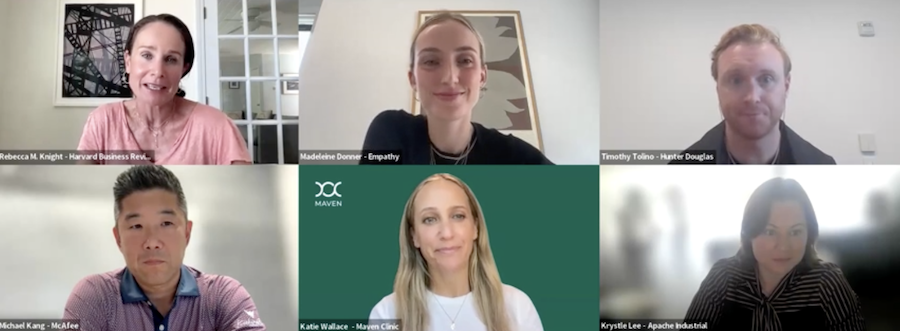
Grief is one of many impacts that can affect an employee’s well-being, along with financial struggles, chronic illness, mental health and life challenges. During an executive panel discussion about the impact of comprehensive benefits at From Day One’s July virtual conference, leaders shared how they support their employees’ well-being through proactive initiatives and programs.
A Global Approach to Wellness
Companies such as Hunter Douglas Inc. and McAfee oversee and manage workers in dozens of countries. Timothy Tolino, global director of benefits, mobility and wellness at Hunter Douglas, says in order to successfully manage benefits for people across 48 countries, the company looks at each country and works with a local broker to meet specific needs.
Michael Kang, head of global compensation and benefits at McAfee, leads program designs for over 1,800 employees across 28 countries. With varying numbers of employees within certain geographic regions, he faces challenges with providing certain benefit programs to all countries and balancing how to meet the needs of all workers while also balancing business strategies.
“I think it’s most important to really make sure that you’re aligned with what the business is trying to do, making sure you think about the long term versus being very reactionary,” said Kang. “There are certain things that kind of span the globe, like mental health issues, and overall wellness that we can roll out on a global scale.”
Knowing Your People
Executives are often challenged with ensuring their employees and their families are receiving the necessary care they need. At Apache Industrial, the majority of its workforce is male. Krystle Lee, total rewards lead at Apache, says serving a mostly male field based population brings its own set of unique challenges and engagement requirements.
Apache’s benefits system offers a model that prioritizes offering direct primary care with 24/7 access through phone, text, app and web. “We find that primary care is really lacking, and it’s not just lacking across males, but it is very evident across the male demographic that they’re not taking care of themselves first because they’re busy taking care of their families,” Lee said.
The company is also mindful in providing inclusive programs that benefit its male employees, their families and dependents with informational materials in English and Spanish.
Focusing on wellness can be difficult when employees already have so much on their plate. In order to encourage more self care, the company has partnered with a mental resilience app that gamifies care in an accessible way, says Lee. “It really helps [employees] take micro moments, micro lessons and just little doses here and there that build engagement,” said Lee.
The app turns moments of self care into points that can be exchanged for real life rewards. This incentivizes employees to do exercises such as taking a few seconds to practice breathing techniques–a moment they can take while at their desk, in the car or during lunch.
Supporting Workers Through All Life Stages
Maven Clinic, a fertility and family benefits company, helps employees through family building, menopause, maternity, and more, touching on all stages of life. Senior Director of Client Success, Katie Wallace says the traditional care model isn’t made to meet the complex needs of women and families. Instead, Maven takes the approach of looking at clinical, emotional, and financial needs.
It’s important to ensure benefits reach people across all demographics, so no one is left without the care they need. Maven has supported LGBTQ+ communities with emotional support and individuals building families with high in vitro fertilization costs, says Wallace.
Grief is another stage in life that can deeply impact the productivity and engagement of employees. It’s imperative to recognize that this emotional response is one that can involve months or years of logistical, legal, and emotional responsibilities that can hinder an employee from concentrating on their work, says Madeleine Donner, senior director of partner success at Empathy.
“So many employees are also caregivers or executors of the estate, so they’re trying to do all these things while also managing to keep up with their day to day jobs,” said Donner.
The company offers “compassionate human guidance with practical tools like task tracking, account closures, peer communities and holistic approaches,” she said. Empathy helps its clients through its platform, LifeVault, which provides wellness tools that organize essential documents and future plans. “It empowers people to make those thoughtful decisions now, long before loss or illness enters the picture.”
Chronic illness is another struggle that many employees have to endure while managing their work lives. At Hunter Douglas, the company offers benefits that “meet people where they’re at,” said Tolino. In addition to providing flexible options, it’s important for there to be workforce training to build employer awareness about the available benefits and the company’s mission, he says.
Innovations in tech can also help boost well-being. In June, Maven announced its partnership with Oura Ring, a health tracking ring brand. Utilizing the data that is already being collected through the rings worn by Maven members, this collaboration has been able to provide the company with continuous biometric insights that can improve its level of care.
“This will mean combining their daily health signals, things like sleep, stress and activity, into our programs and combining it with the expert guidance from our care team–a balance between the tech and the human care,” said Wallace.
Jennifer Yoshikoshi is a local news and education reporter based in the San Francisco Bay Area.
(Photo by svetikd/iStock)


