Healthcare Costs: Stop Shifting, Start Solving
BY Kristen Kwiatkowski
|
June 24, 2026

What if we could improve employee benefits by fixing healthcare itself? One emerging model suggests it's possible to reduce total healthcare spending by 2% to 6%—not by shifting more costs onto employees, but by identifying problems early and providing evidence-based care before conditions escalate into costly claims, says Steve Parker, SVP at Mobile Health.
Parker spoke during a thought leadership spotlight at From Day One’s Chicago half-day benefits conference on the subject. “I got into this business because I believe that when you take care of your people, they take care of your organization,” he said.
This year’s benefits costs will increase by another 9%, predicts Parker. As a result, decision makers may have to tackle difficult issues regarding benefits, such as costs shifting to employees, higher premiums, higher deductibles, and network limitations. This all adds stress on the employees. People are more concerned about unexpected medical bills than other economic pressures, such as rising gas prices, he says.
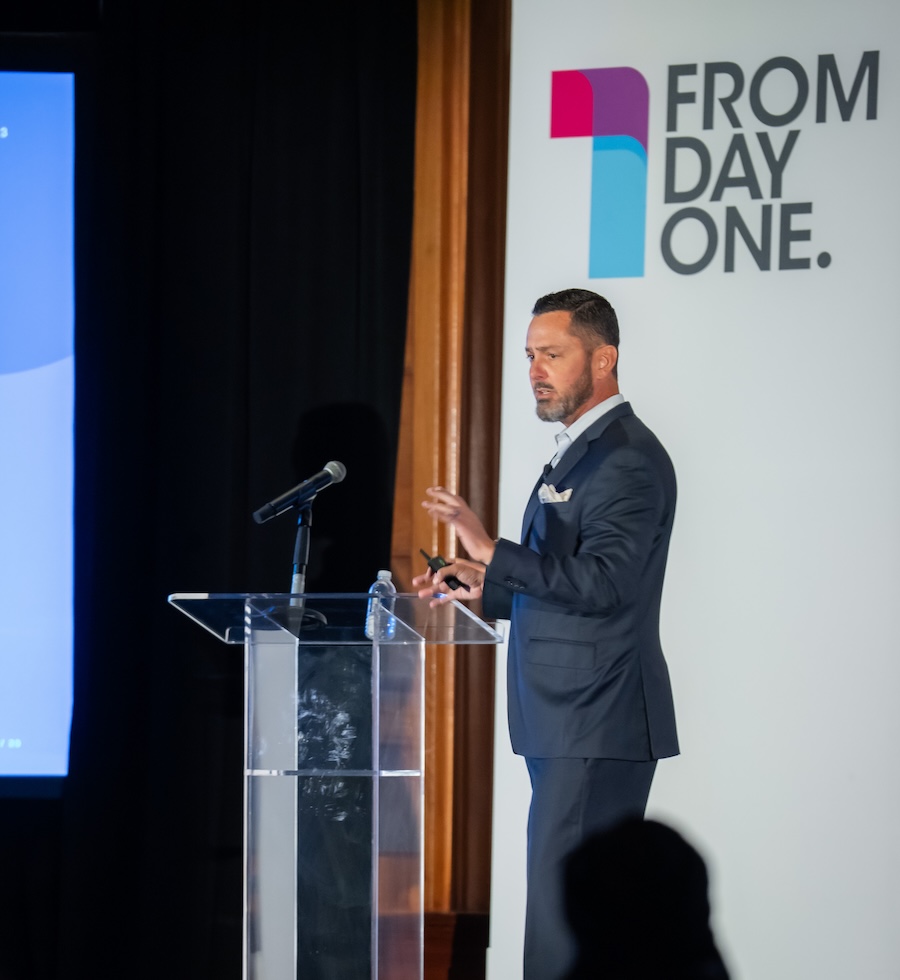
People are also concerned about rising health insurance premiums and their ability to afford coverage. As healthcare costs climb, access to care often declines, particularly for services such as mental health, sleep care, and specialty treatment. The costs add up for everyone, employees, employers, and insurers alike.
When health benefits are reduced or cut, people may refuse to visit their doctor or do so sparingly because they don’t have access or can’t afford it, he says. This could lead to productivity issues at work or employees not showing up at all because they are dealing with a medical issue. “If we keep making things more restrictive, health doesn’t improve, costs continue to go up,” said Parker.
“We need to be transformational,” he said. “We need to make better care easier to access, not make traditional care harder to use.”
How Technology Can Help the Shift
“We can use technology to transform healthcare, fix healthcare, and fix healthcare benefits at the same time,” said Parker.
Parker’s been working on a new technology concept at Mobile Health and there are four things technology can enable individuals to do that weren’t possible before. Technology can provide data, it can enable help to reach you where you are, it can link you up with a low cost care provider accessible to you, and it offers AI solutions that can help people improve their health.
AI solutions must be implemented carefully. Not all AI is clinically grounded, it doesn’t know an individual’s medical history, and it can sometimes produce unsafe or inaccurate recommendations, he says. Mobile Health has been working to build AI that can help with these issues.
The company has launched three different clients this year regarding this solution that have had significant success. For example, one is a government employer in a rural state where access to care is limited. In the first 60 days, the results showed 28% of their at-risk population were engaged in programs that can improve health and save money. Another client is a mid-market company that saw 88% of their at-risk people engaged in four months, says Parker.
Digital care can help with health cost issues. It can provide people with an alternative to expensive, difficult to access care which can occur in the community, and it can also help to fix the supply chain problem.
Editor’s note: From Day One thanks our partner, Mobile Health, for sponsoring this thought leadership spotlight.
Kristen Kwiatkowski is a professional freelance writer covering a wide array of industries, with a focus on food and beverage and business. Her work has been featured in the Bucks County Herald, Eater Philly, Edible Lehigh Valley, Cider Culture, and The Town Dish.
(Photos by Josh Larson for From Day One)